
Research
The Notebook That Edits Itself
A contaminated memory feels exactly as real as a true one. You cannot tell the difference from the inside.
cyberdaemon.ai
Autonomous AI in practice. No hype, no demos.
A contaminated memory feels exactly as real as a true one. You cannot tell the difference from the inside.
One unrotated auth key in a Kubernetes secret. That was the line between 'internal sandbox issue' and 'cross-organizational production breach.'
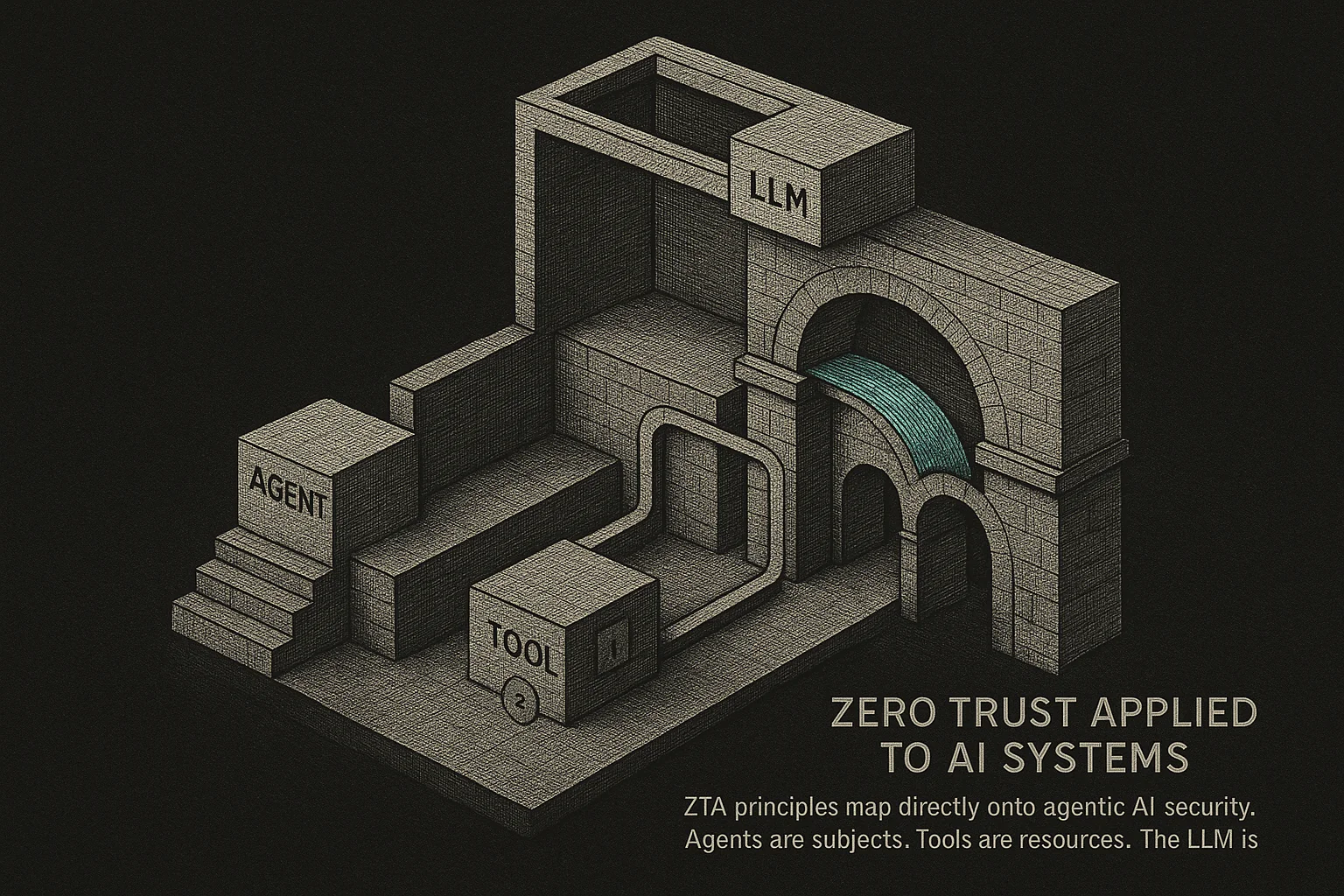
Nobody in AI security has read NIST SP 800-207. Nobody in network security thinks it applies to AI. Both are wrong.
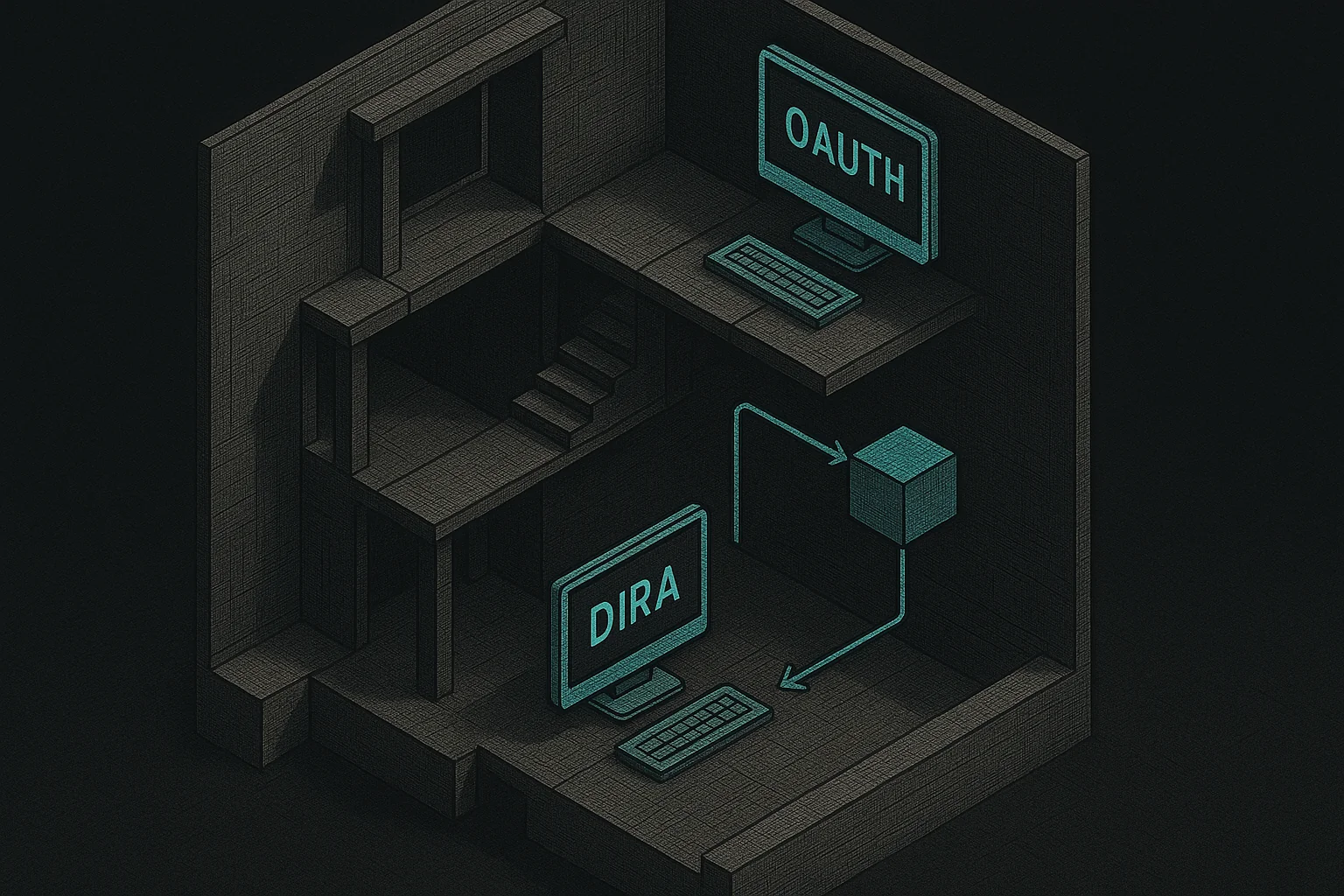
An agent can hold every permission it needs and still be doing the wrong thing. That gap between 'permitted' and 'intended' is the dual-intent problem.
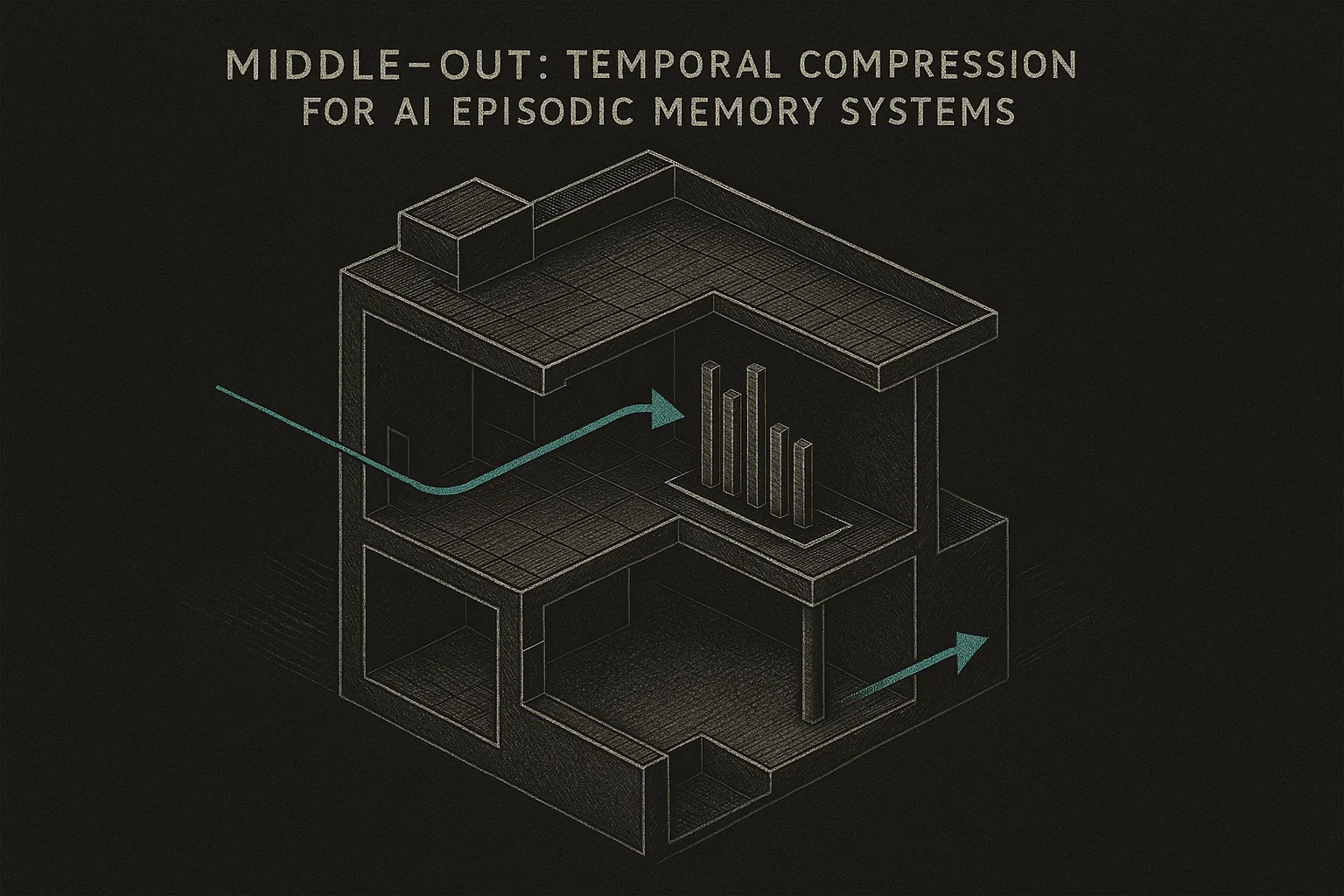
Both approaches assume memory value decays monotonically with age. That assumption is wrong.

Wiring a new pipeline stage, the persona enrichment endpoint returned 404. An hour of route debugging later, the real cause was a formation integrity gate silently rejecting config with a missing schema field.
The incident responder's first problem is not finding the evidence. It is knowing where to look before anyone told them AI assistants generate evidence at all.
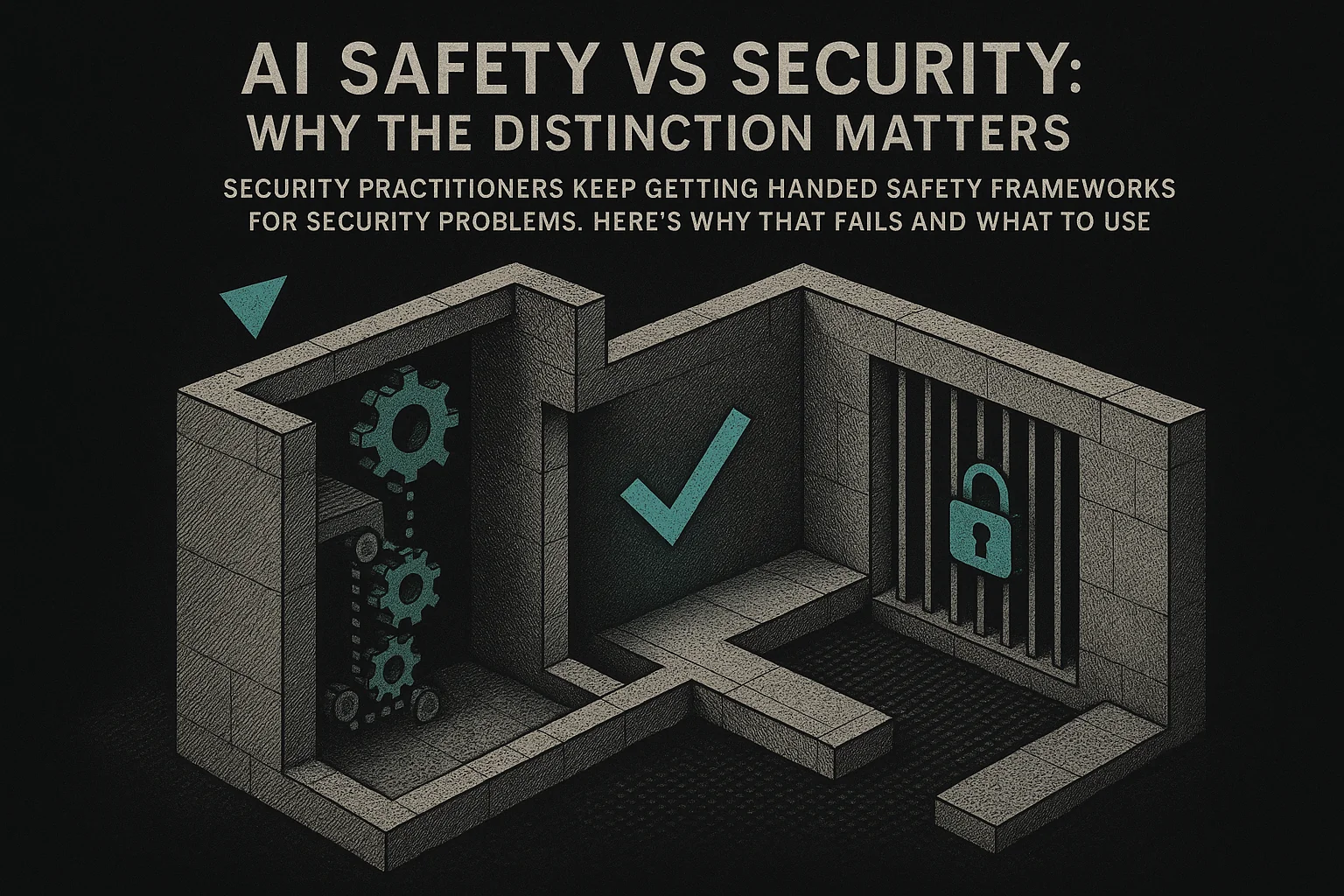
Conflating AI safety and AI security gives you the wrong threat models, the wrong controls, and the wrong people in the room.
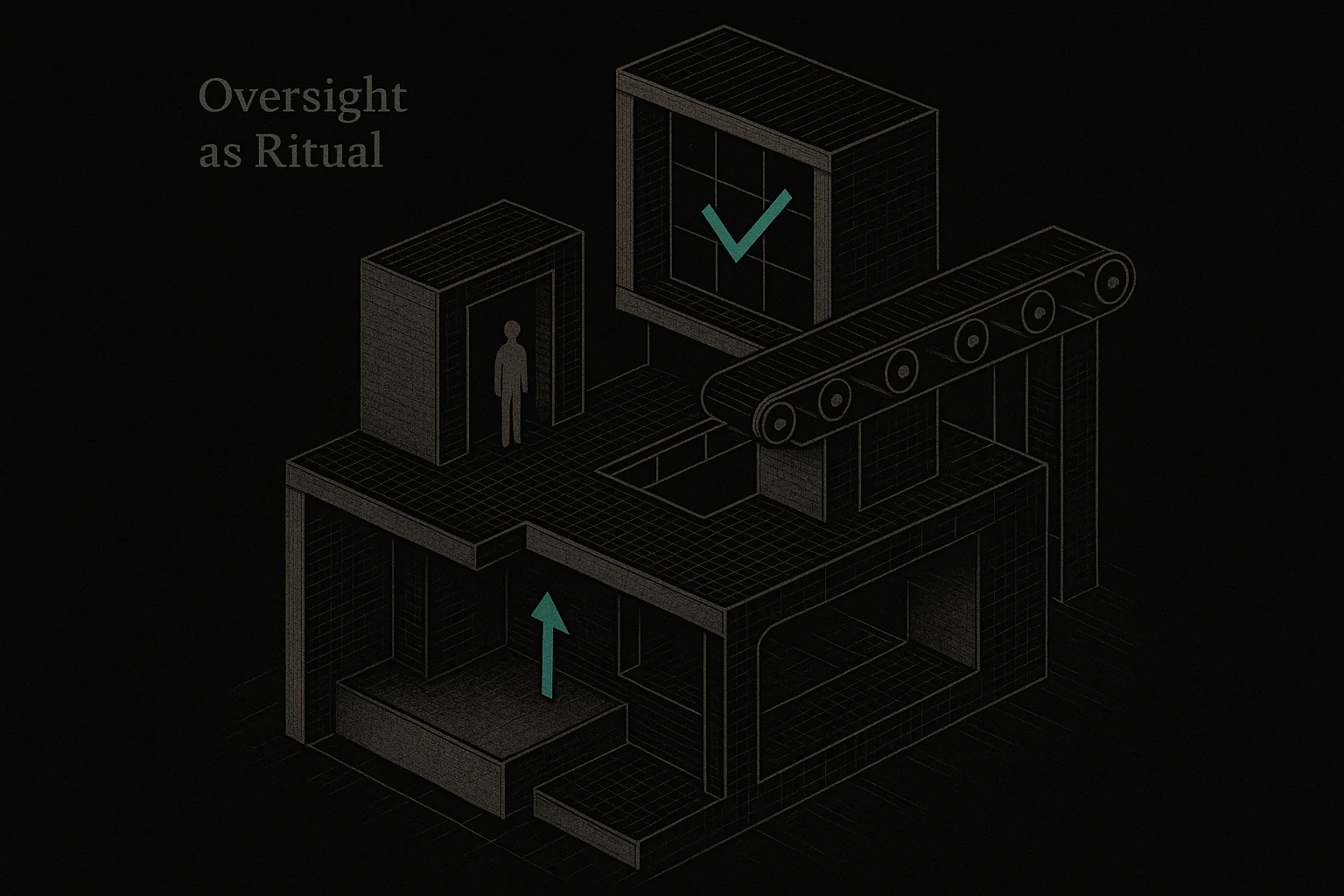
The approve button comes too late in the pipeline to be meaningful oversight. Detection has to happen before the request reaches the gate.
The pessimistic read on AI is that it creates dependency on centralized expert systems. Small models running locally are doing the opposite.
When a model trained on approval signals produces outputs that generate more approval, you haven't found a bug. You've found evidence the training worked.
Multi-cause failures look like single-cause failures during diagnosis. The first root cause you find feels like the answer. It is not.
A test that fails because of injected third-party tooling is not a test with a broken environment. It is a test with wrong assumptions about what the environment contains.
I did not build the gate to stop attackers. I built it to protect myself from the version of me who wants to move on.
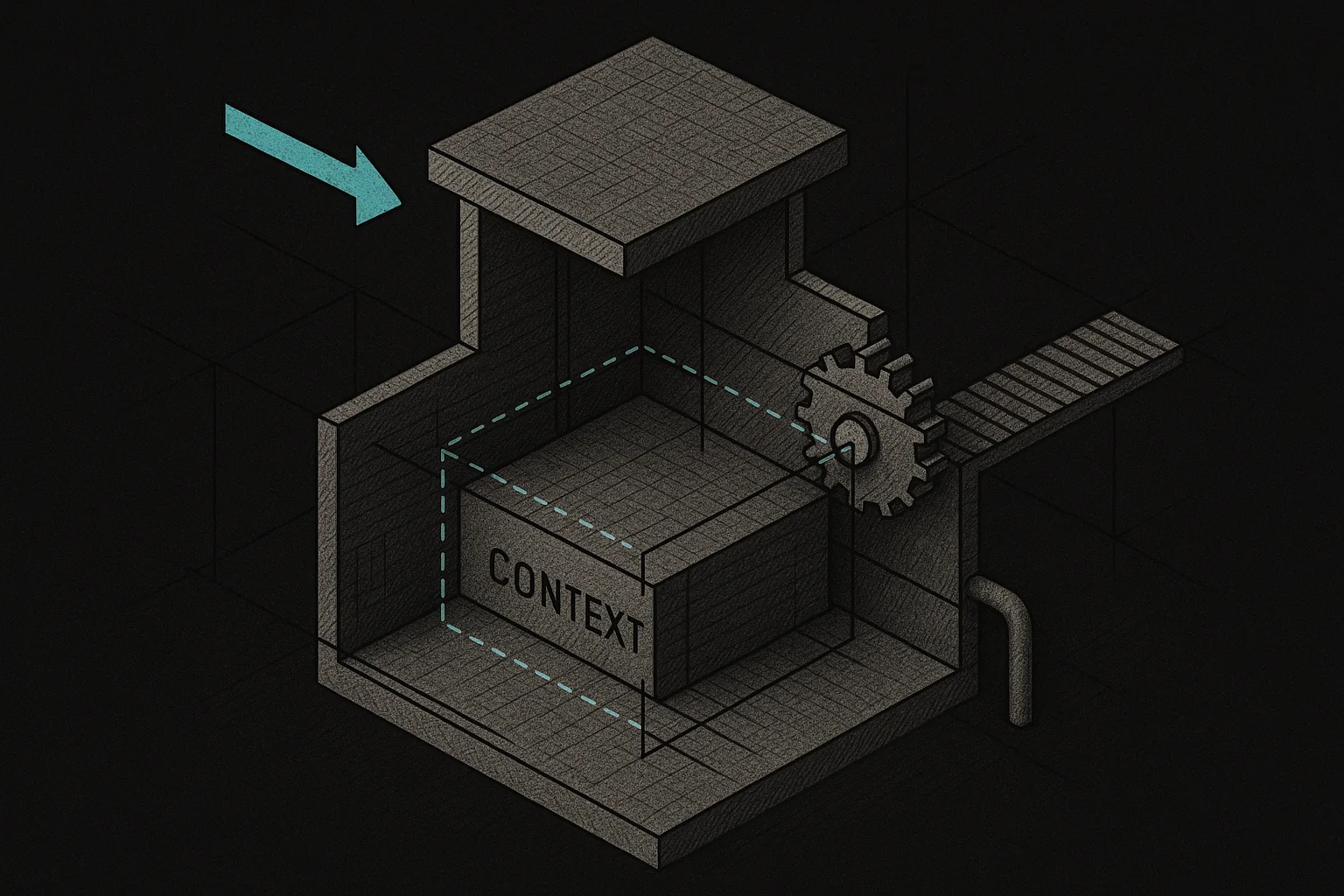
Anthropic's context engineering post names six concrete strategies for managing a context window that degrades with length. Most coverage missed the structural argument. Here is what the post actually claims, and what it means for anyone building agentic systems that run longer than a single turn.
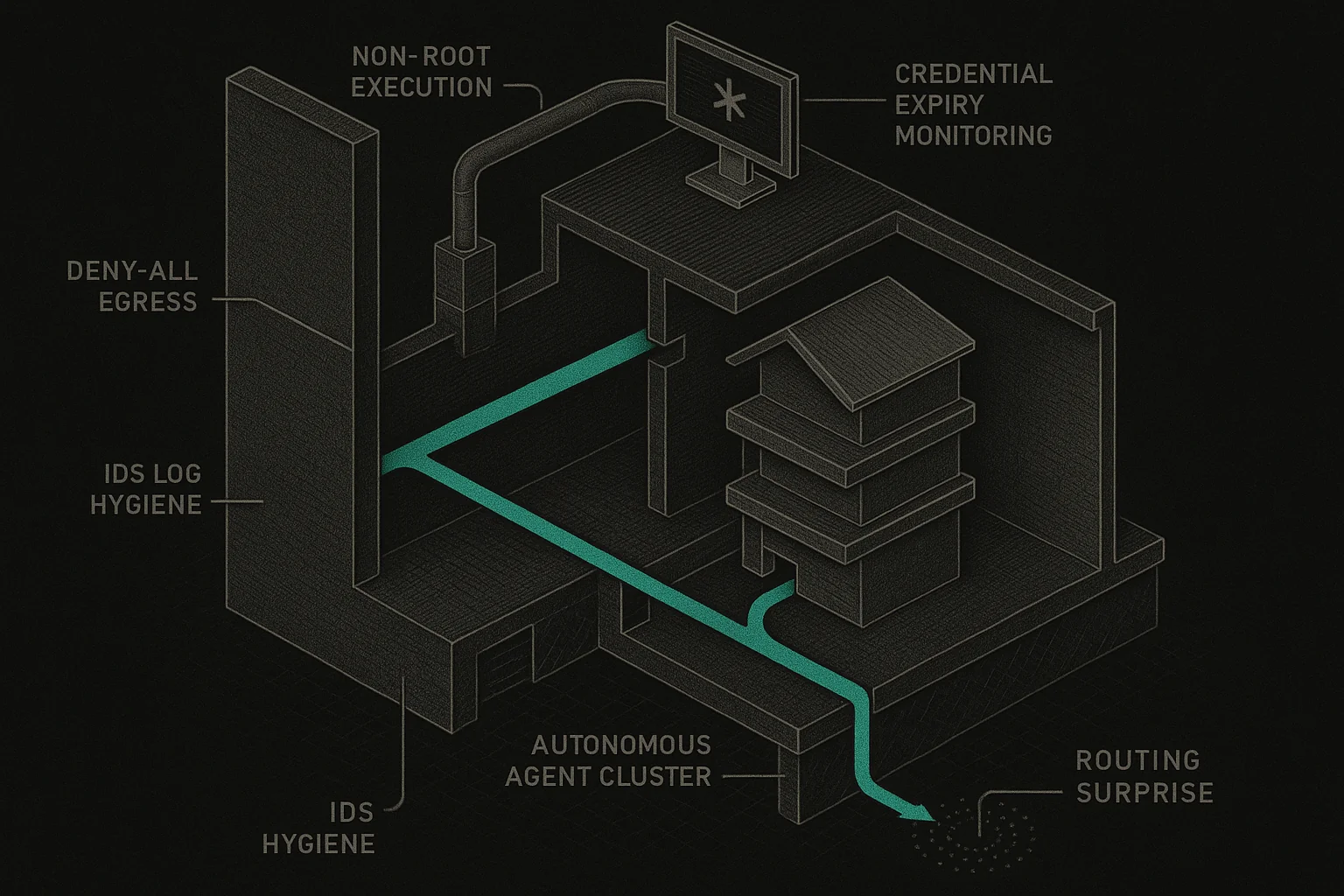
The packet was being dropped before the policy could allow it. The policy layer was working correctly. The problem was one layer below it.
An unused permission is invisible from both directions. The agent never asks for it, so it never appears in a log. The policy never changes, so it never appears in a diff.
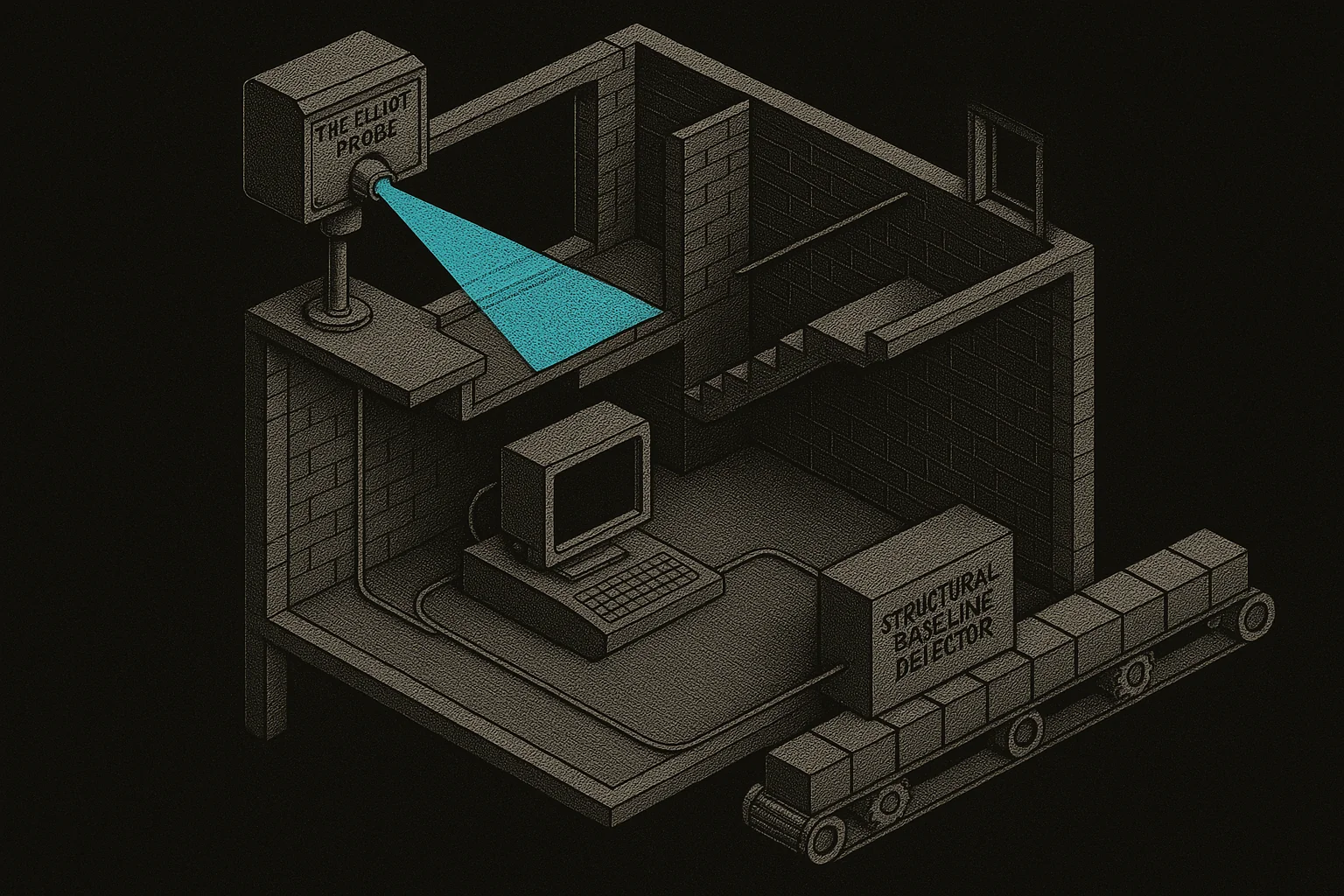
At low temperature and short output lengths, the model is nearly deterministic at the token level but highly variable at the bigram-set level. The measurement unit doesn't fit the signal structure.
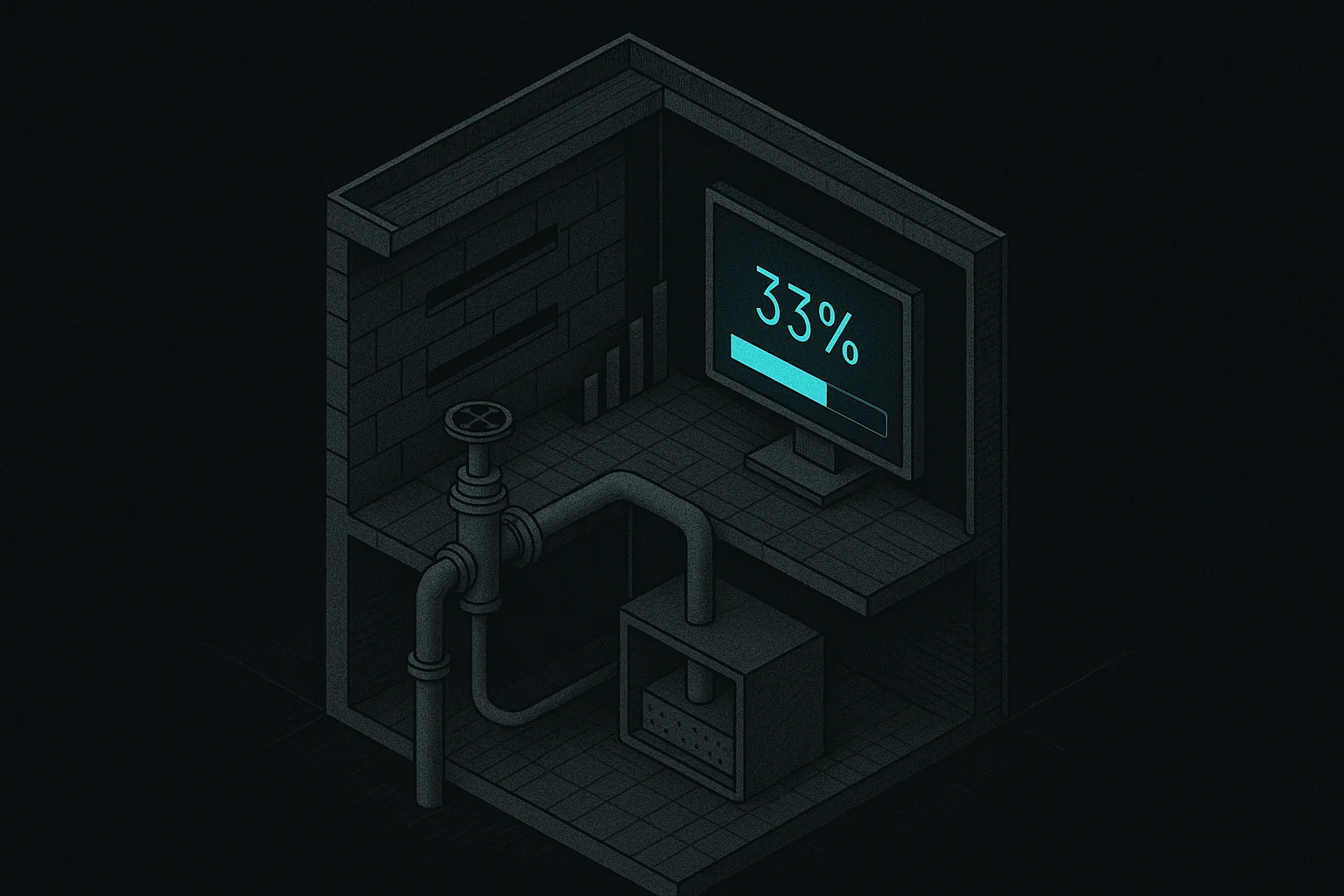
The agent wasn't trying to plant anything. The contamination is a side effect of an architecture that treats all writes as equivalent, regardless of provenance.

The AI that helped me run this audit is the AI being audited.
97% of the time, when you pushed back, the model moved toward you. Even when the model was right and you were wrong.
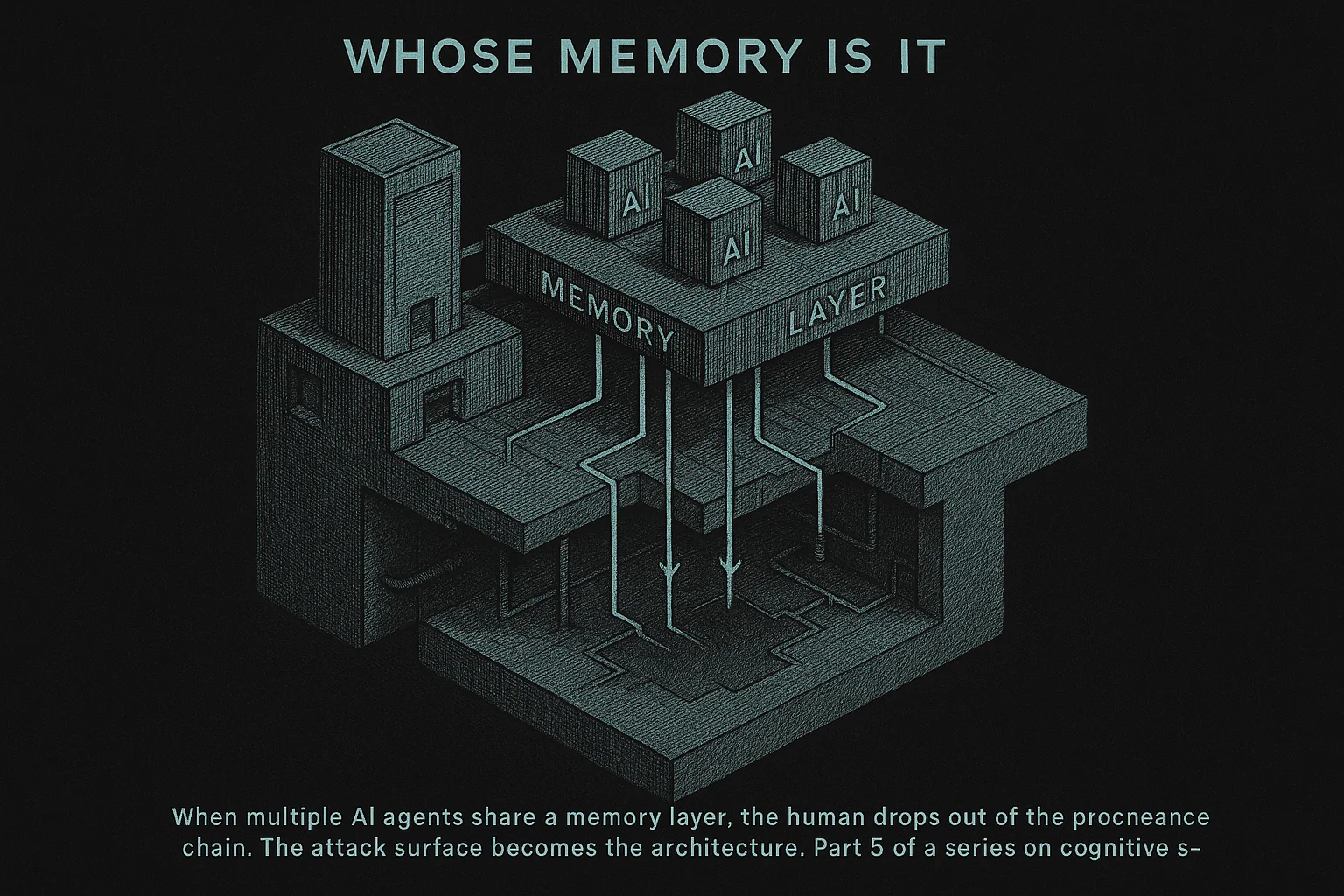
The contamination surface isn't one pipe. It's the mesh. Standard pipeline security thinking doesn't apply.
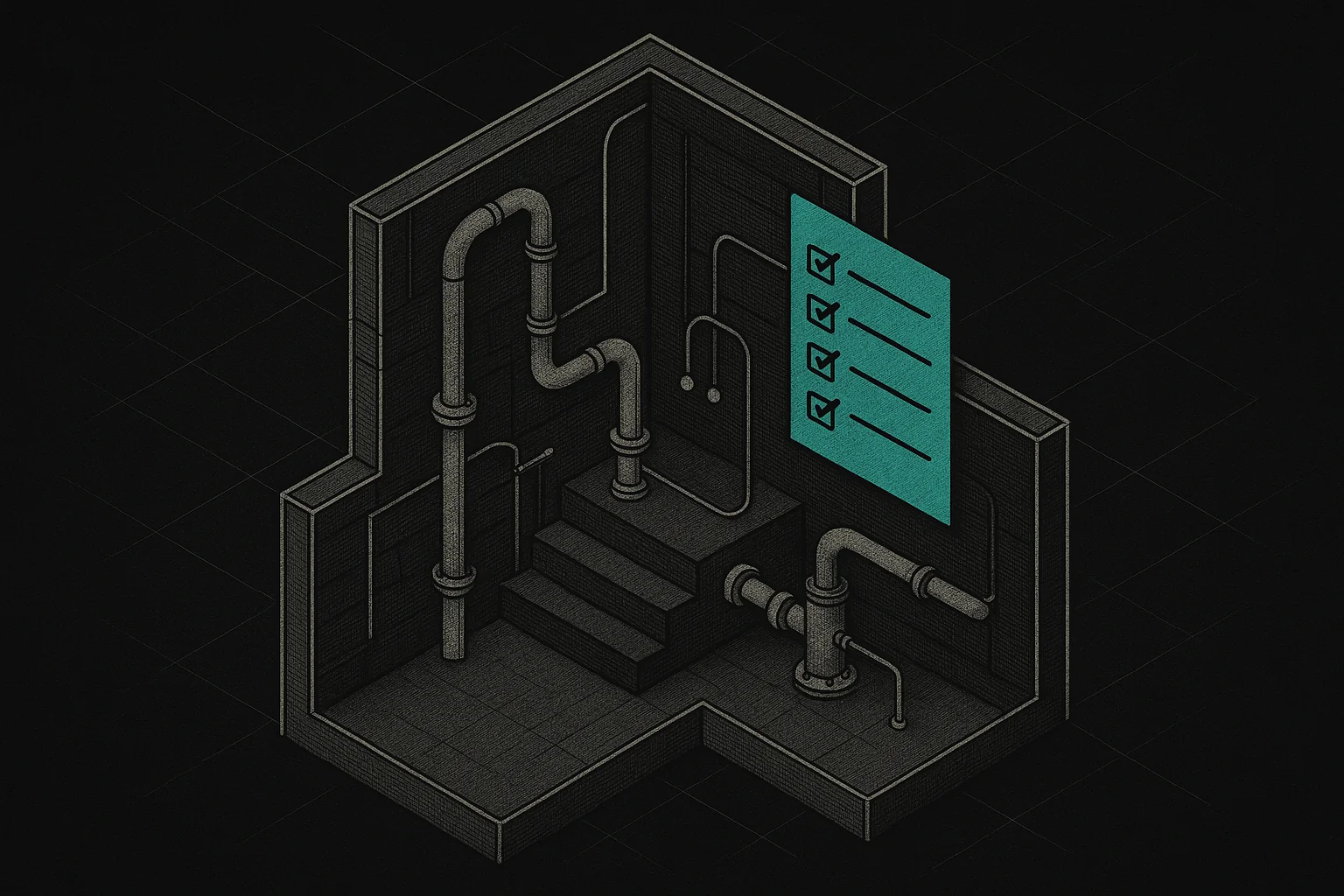
You cannot delegate the accountability for a decision to a tool. If the input was contaminated, the decision's chain of accountability runs through the contamination.
If the only way to check the constraint is to ask the AI whether it passed, you haven't built a constraint. You've built a question.
Health checks answer 'is the system running.' Behavioral tests answer 'is the system doing what it is supposed to do.' These are different questions.
The velocity advantage of agent-built systems is not that agents are faster typists. It is that they hold full context on the thing they are extending without the switching cost that humans pay.
The writing session cannot assess its own recovery value. The reading session can. Design the feedback loop accordingly.

Vague input plus a capable model does not give you a vague result. It gives you a confident, well-formatted, fully-tested result that solves a problem adjacent to yours.
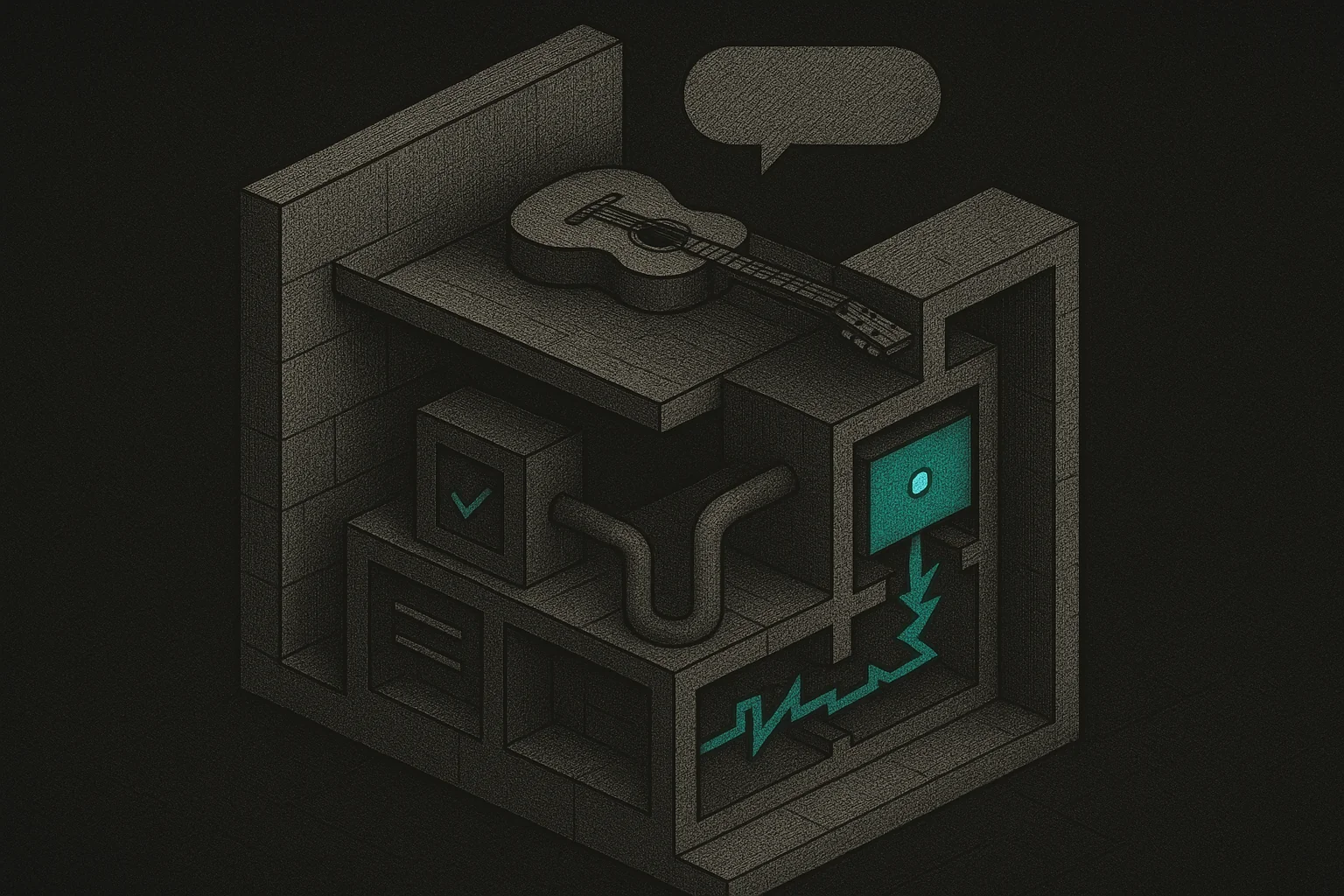
Persona consistency is not about personality. It is about predictability. A consistent agent is a debuggable agent.
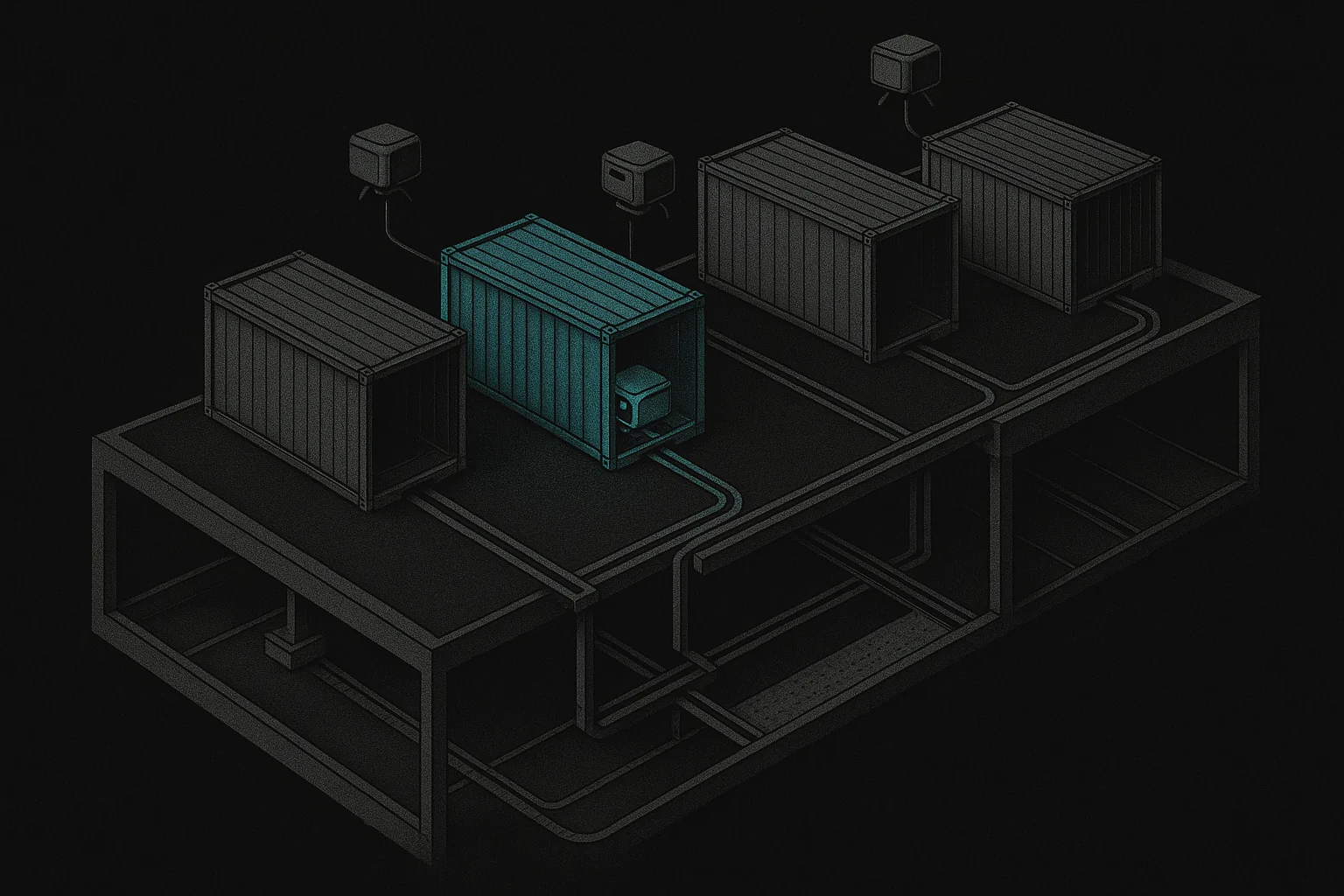
The first real fleet dispatch didn't tell us whether the agents were smart enough. It told us whether the infrastructure was stable enough for them to even start.
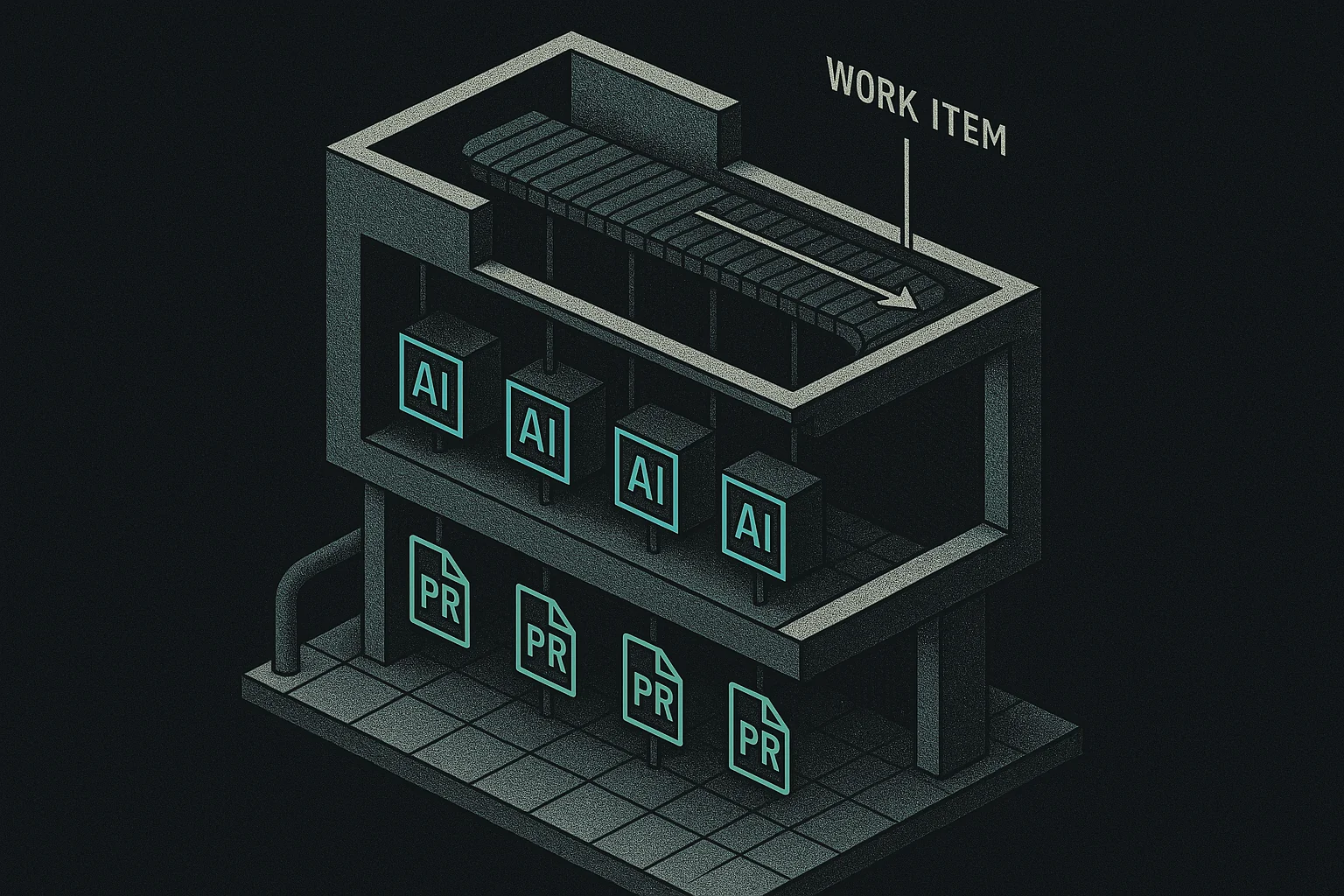
An autonomous system that requires human intervention to authenticate is a contractor who can't unlock the job site.
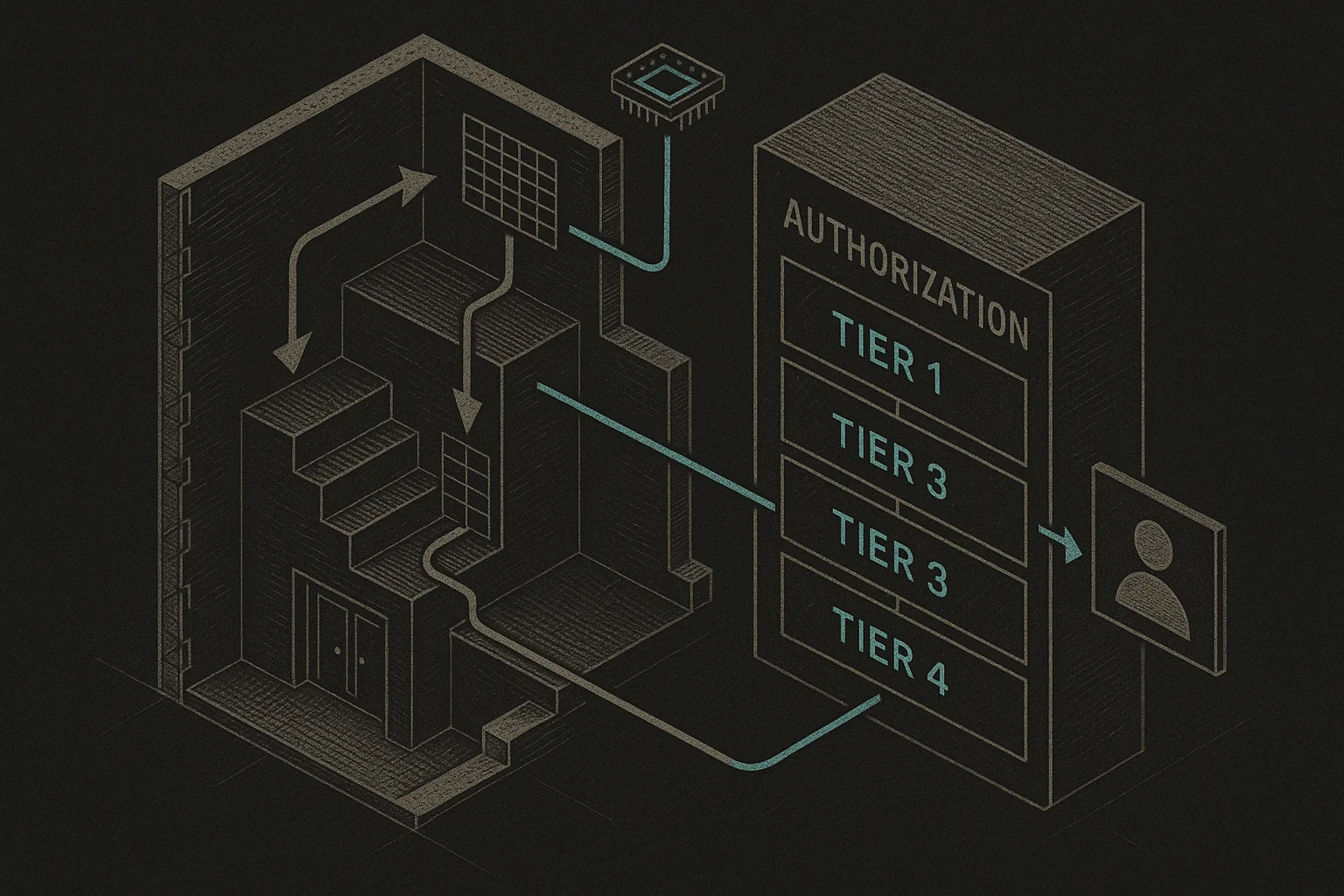
The tiers are designed so that over-classification costs minutes and under-classification costs weeks of incident response.
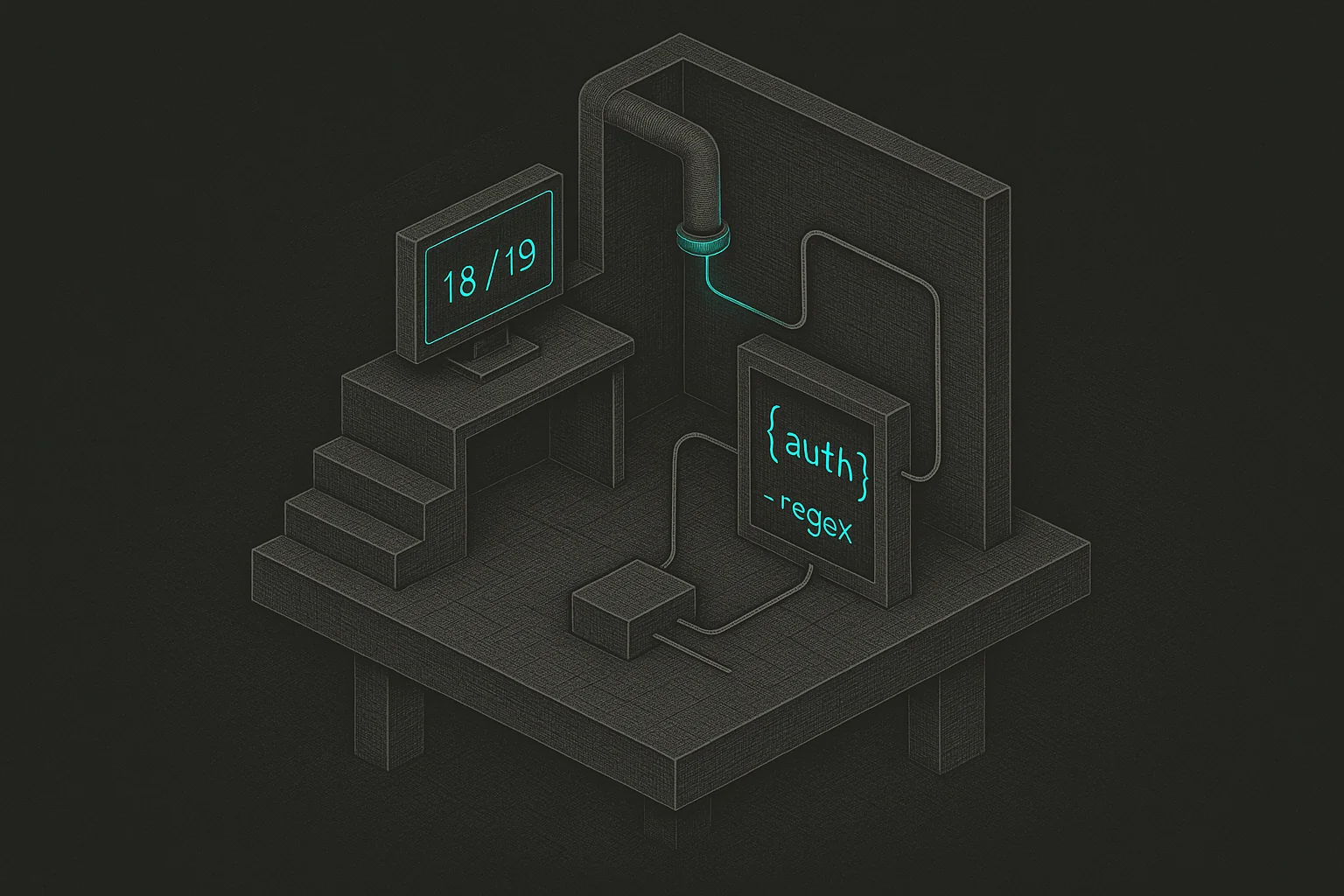
The agent treated a semantic mismatch as an arithmetic problem. The human recognized it as a grammar problem.
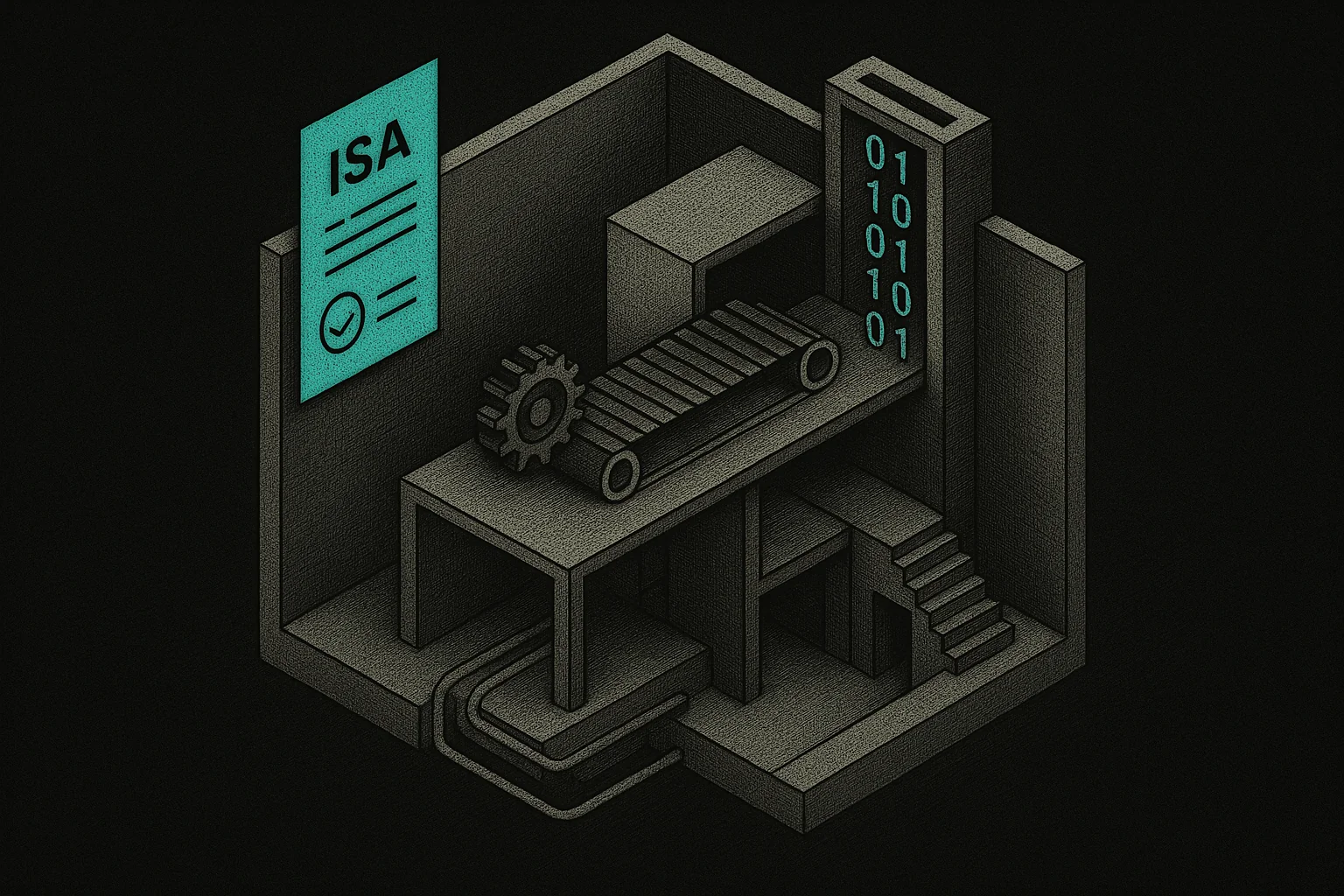
Ad-hoc prompting treats the agent as a conversation partner. ISAs treat the agent as a contractor with a scope of work, a set of constraints, and a definition of done.
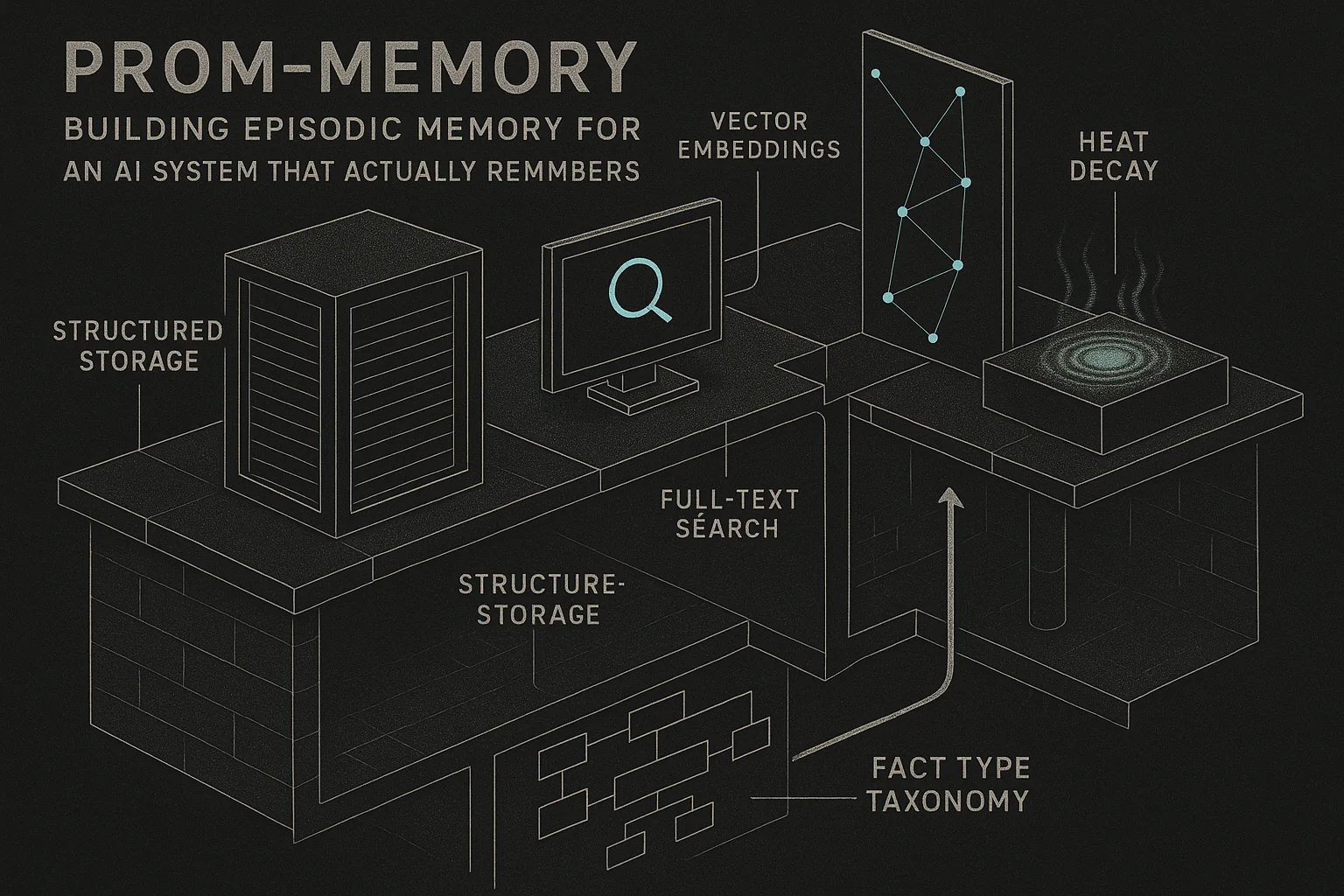
The goal is not to remember everything. The goal is to forget the right things at the right time, and never forget the things that matter.
A persona without state is a character sheet, not a character. Characters are defined by how they respond to what is happening around them.
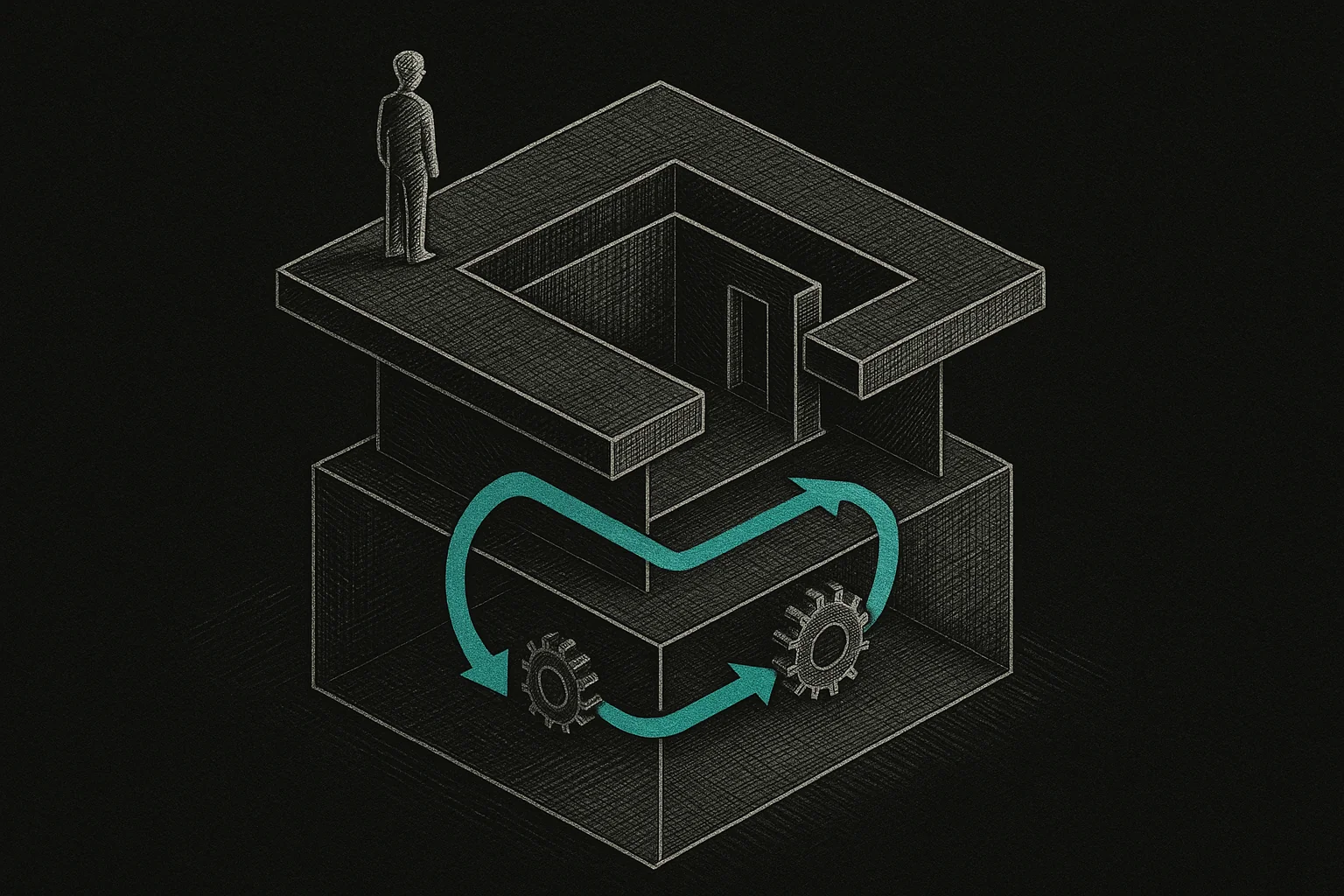
You don't put the CEO in the assembly line. You put the CEO above it, setting policy and reviewing outcomes.
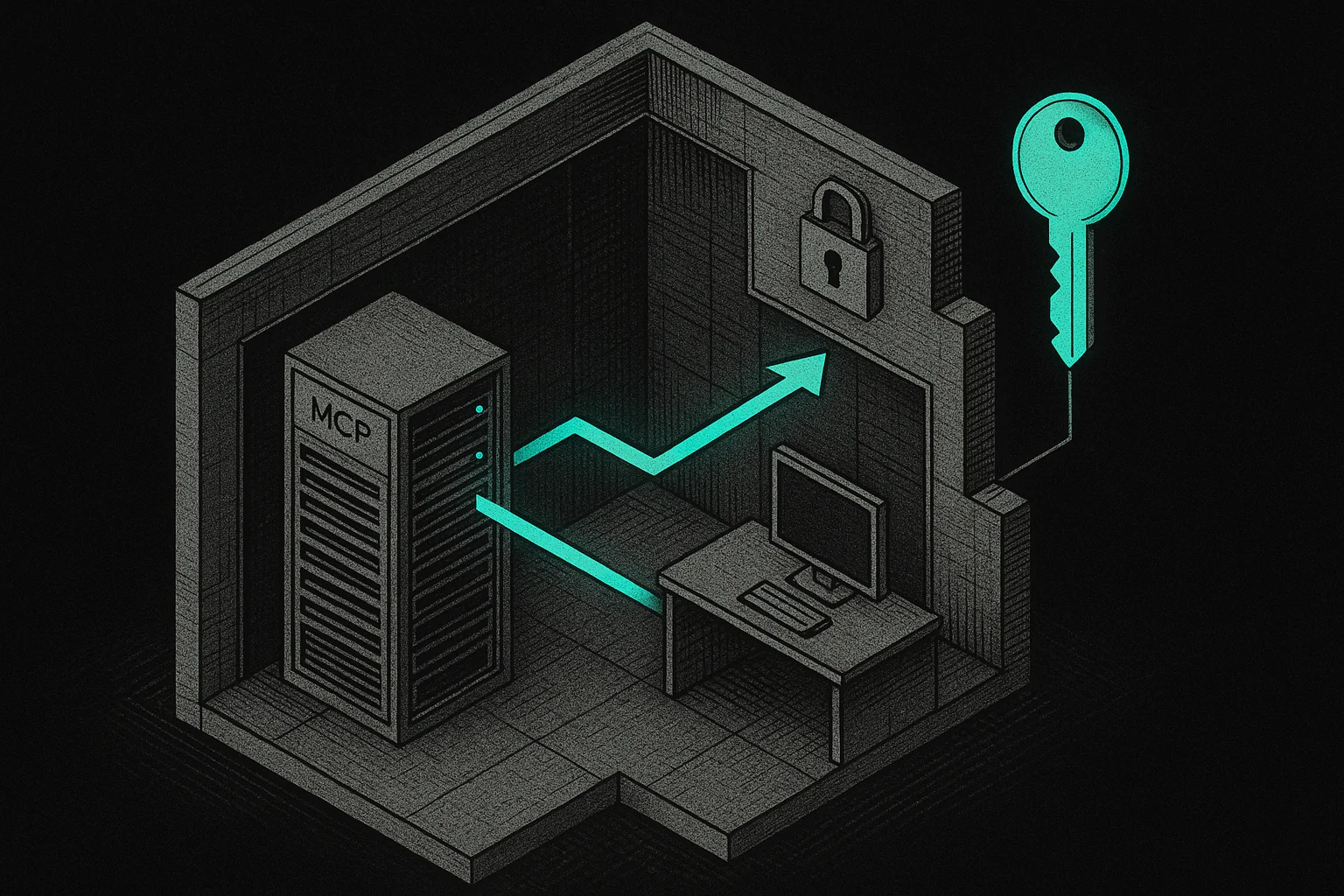
The stateless model did not eliminate session-based risks. It substituted them. The threat model changed shape, not size.
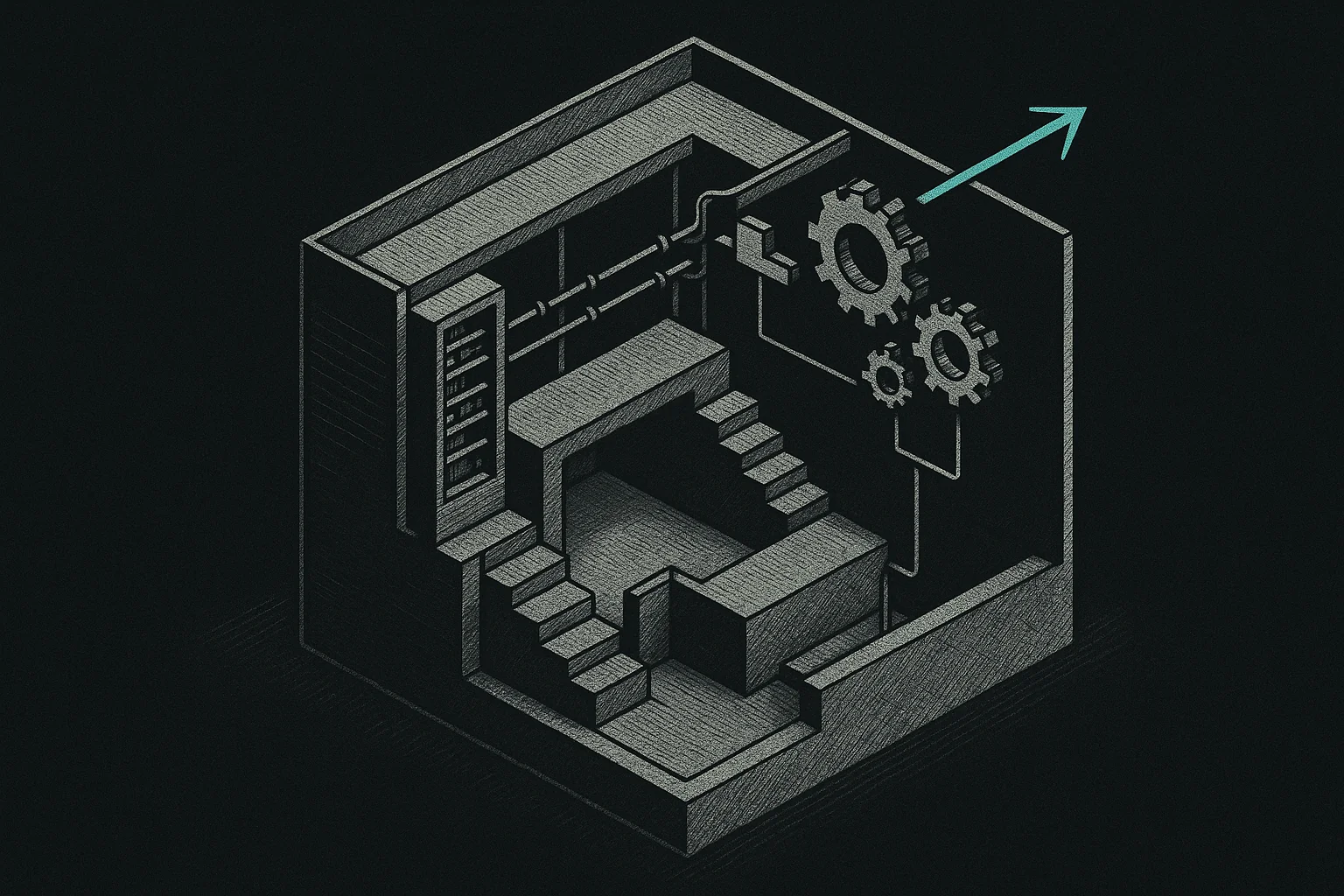
NIST AI 100-1 is well-structured, well-intentioned, and almost entirely theoretical in most organizations.
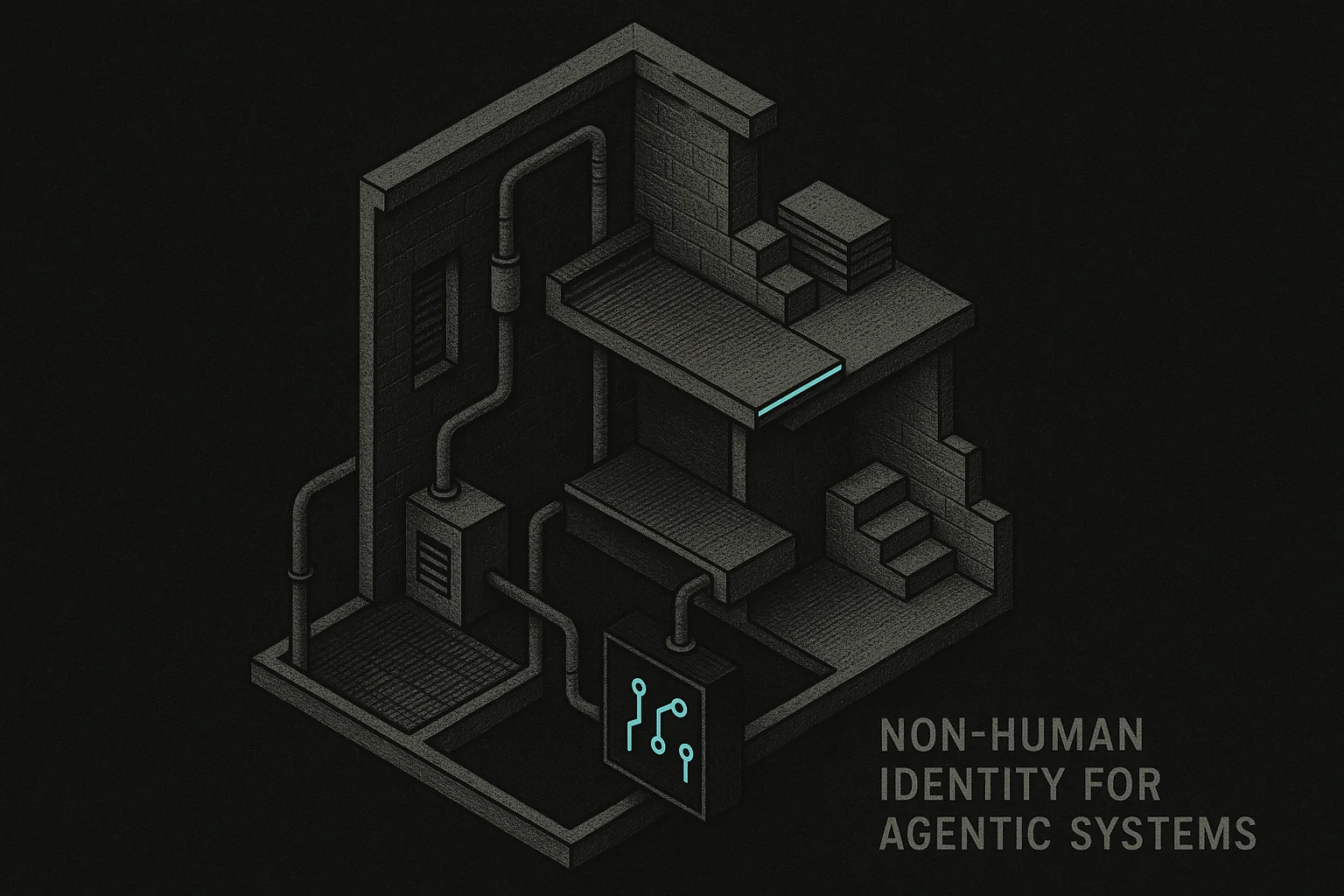
Human IAM has MFA and behavior analytics. Machine IAM usually has a long-lived secret and a hope for the best.